
A few years ago, after being diagnosed with PTSD and just before my divorce, I slept on the couch in our house. Insomnia was my constant companion, so I spent the hours watching TV, hoping to distract my restless mind. I ended up being stuck on a show about plane crashes—a strange choice, considering this was an activating topic for me. But I couldn’t turn away.
My then-wife did stop me at some point and say that I probably shouldn’t be watching it, given how much it was going to affect me. What was strange at the time and remains so now is that she didn’t believe the diagnosis or hadn’t yet grasped its reality. Her view of the situation matters because nothing of significance does at this point, but it does tell a part of an important story: how far I’ve come since then.
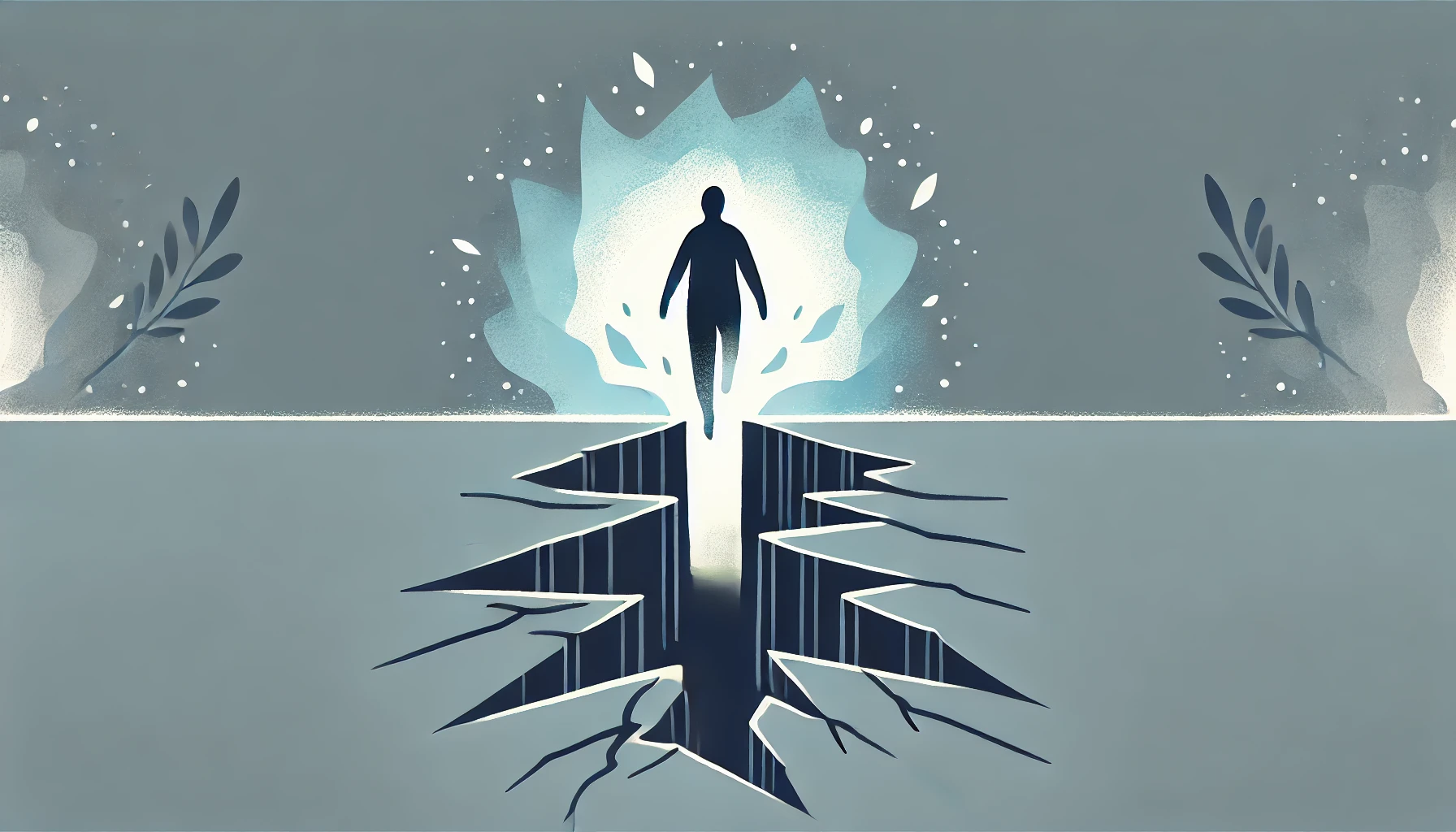
They discuss Post-Traumatic Stress but hardly ever mention Post-Traumatic Growth. Post-Traumatic Growth (PTG) is the positive transformation individuals undergo after a traumatic experience. PTG does not refute that trauma brings extreme pain but offers that hardship gives rise to extraordinary changes in our perception of self, others, and the world at large.
I also became particularly fascinated with this concept after hearing comedian Neal Brennan discuss it. He described, “Post-Traumatic Growth—this is something that nobody seems to talk about. Where you can. get over shit and you are not a sellout. you are not a bitch for not being aggrieved anymore.” What he was conveying resonated.
It’s true—some people seem to cling to their trauma stories, telling them over and over, letting them define who they are. I’ve been there. I’ve had relationships that left me deeply scarred. One partner, in particular, made suicide threats and attempts, leaving me in constant fear, stress, and pain. That trauma followed me into future relationships, where even the slightest conflict would trigger memories of past chaos. Although I did not commonly tell these stories, they repeated themselves in my mind each day, making me into what I was—trauma-shattered.
It was simply more comfortable to just stay with that story than to edit it. There’s this strange comfort in feeling sorry for yourself, in something other than yourself being the cause of your emotions. But eventually, I came to understand dwelling there was no longer helping me.
In time, I developed. I learned from myself—things I may not have learned without the trauma. I improved at seeing warning signs in others, controlling the fear that activated me, and establishing boundaries that kept me healthy. I now know how to let people slide down into despair, but I also know I can bear their suffering without taking on responsibility for saving them. Life, I’ve found, can be joyful once more.
Somewhere along the line, re-telling my ‘Trauma Story’ was no longer useful. Rather than assisting me in healing, it kept me stuck in a cycle of fear and self-pity. It made me feel damaged, and I felt like I might be telling it so I would get attention or need to have my situation validated.
When I started sharing my ‘Growth Story,’ the world was fresh again. It was liberating—like I’d overcome the fear. Life was fine again, and I had something to share. The tale was no longer one of suffering and healing; it became a tale of growth. I didn’t welcome the sound of having Post-Traumatic Stress, but I do love the concept of Post-Traumatic Growth.
I hope that which part of the story I share can be what makes the greatest impact on how we proceed with our experiences. From now on, if I’m discussing previous struggles, I will do my best to have my Growth be in focus.
Do you have Post-Traumatic Growth stories? I’d love to hear them.